
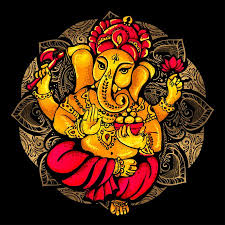
Importance of the Vinayaka Chaturthi
Vinayaka Chaturthi is a festival that celebrates the birth of Lord Ganesha. It is also known as Ganesh Chaturthi, Vinayaka Chavathi, Vara Siddhi Vinayaka Chavathi etc. in different regions. It is celebrated across all the states of India with great enthusiasm and the entire family (irrespective of the age) comes together to perform the pooja.
Lord Ganesh was born on Chaturthi, Sukla Paksha in the month of Bhadrapada which is why we celebrate this day as Vinayaka Chaturthi. Lord Ganesha has many different avatarams for different ages but Vinayaka avataram (Elephant headed god) has obtained the designation of “Agra Poojadhipathyam” “Vigneswara” or “Vignadhipathyam” which translates to the one who is offered prayers at the beginning of all auspicious occasions so as to remove any obstacles that might occur and help reach our desired goals without any hurdles. For instance, people do vinayaka pooja before other poojas like varalakshmi vratam, gruhapravesam, wedding etc. So, Hindus from all over the world offer their prayers on this day and do the “Vinayaka Chavathi Vratam.” The vrata katha states the importance of doing this vratam.
The best thing about this festival as it not only gets the family together but helps getting the community together as well. In Andhra Pradesh and Telangana, this festival is celebrated for 11 days starting from the chaturthi to ananta chaturdashi of the Bhadrapada month. Devotees usually perform the vratam with the “matti Vinayaka” at home. Communities come together by offering prayers to a “Samohika Vinayaka” (a Ganesha idol bought by the community) for the welfare of the community. After the end of 11 days, Visarjan (immersion of the idol in water) is performed to the all the Ganesha idols. Based on personal preference, people can choose to perform the visarjan on the next day after the vratam or 3rd day or 5th day or 7th day or 11th day. The community Vinayaka, placed usually at community centers or at temples, is mostly kept for 11 days and people offer prayers in the evenings by singing bhajans and other cultural activities in an effort to get dipped in the divine glory of the Lord.
Pooja Samagri / Things required to be arranged before the Pooja
- Matti tho chesina Ganapathi / Lord Ganesha idol made of clay soil.
- Palavelli
- Fruits for Palavelli (any of your choice)
- Patri (21 type leaves)
- Clothes for Ganapathi
- Umbrella for Ganapathi
- Rice (for pooja mandapam)
- Towel/ napkin/ cloth (for pooja mandapam)
- Small piece of Jaggary
- Pasupu (turmeric)
- Kumkum
- Chandanam (sandal wood powder)
- Akshantalu
- Flowers (small mala for Matti Ganapathi and also loose flowers for the pooja)
- Nalla vakka or vakkapadi
- Banana / Any fruit of your choice – 6
- Tamalapakulu / pan leaves (5-15)
- Agarbatti
- Karpooram
- Mango leaves (for thoranam & palavelli)
- Samrani (only if you prefer not a mandatory thing)
- Kobari kayalu (coconuts) – 1 (for the nayivedhyam)
- Coins (for tamboolam)
- Panchamrutam
- Panchapatra & udherinah (glass and spoon)
- Pooja ghanta
- Arati plate
- Deepam (two diyas lit on either side of mandapam)
- Pathi tho chesina vastram (cotton cloth) / Yegnopavitham
- Thoralu
- A napkin for wiping your hands
- Remember to note down the thidhi, gotram, year name from any Indian calendar
- Ghee (for diya)
- Maha nayivedhyam with glass of water.
- Books/laptops/work related items (to keep near Pooja place)
Pooja Place arrangements
- Madapam Arrangements
- Clean the area where you want place the mandapam, make rangoli and place a table/stool/bench.
- Clean this table, apply pasupu and make rangoli (padmam).
- Spread a cloth on it and spread rice all over this cloth.
- Place a pan leaf (tamalapaku) at the center and place the Ganesha idol over it. (this is done to provide a protective layer to Lord Ganesha and not let the grains hurt him.)
- Now, place another pan leaf in front of the Ganesh idol and place a small pasupu Ganapathi on it.
- Put on the cloths to the lord and fix the umbrella over his head. Now, apply gandham, kumkum to both the Ganeshas.
2. Palavelli
- Clean the pooja place and hang the palavelli over the pooja place in such a way that it is exactly above the Mandapam.
- Now after hanging the palavelli, decorate it with different fruits and mango leaves.
3. Clay Ganapathi
- One can make or buy a Ganesha Idol that is preferably dissolvable in water after visarjan. The authentic way would be to make a matti Ganapathi, also known as eco-friendly Ganesha.
(Note: Please clickon this: Eco- Friendly Ganesha Making if you are interested in making an easy eco-friendly Ganesha)
4. Thoralu
- Make thoralu as per your family tradition and keep them ready.
5. Naivedhyam
- Lord Ganesha is considered to be a foodie. So, devotees like to offer some of his favorite food as nayivedhyam:
- A small piece of Jaggary
- Chalimidi Undrallu and Chalimidi Kudumulu (Challimidi Undrallu and Kudumulu ) (in our house we usually offer 9 of each)
- Undrallu (here’s the recipe of it: Undrallu)
- Maha Naivedhyam
Pooja Vidhanam Overview
- Vinayaka prarthana
- Parvathi parameshwara prarthana
- Sankalpam
- Prana pooja
- Kalasa pooja
- Shodashopachara pooja
- Anga pooja
- Patra pooja
- Doorvayugma pooja
- Asthotaram
- Thora pooja
- Vrata katha
- Shamapana mantram
- Naivedhyam
- Harathi
- Mantra pushpam
- Namaskaram
Importance of Visarjan and Visarjan Vidhi
People do not usually get an idol for any other pooja or vratam but this vratam is an exception. Hypothetically, think of the Idol as a guest who arrived at your house. It will be foolish to think that the guest would stay back at your place forever (it is greed). Also, performing all the pooja vidhi and offering the maha navivedyam daily would not be practically possible due to many factors. To avoid situations like these, the tradition of visarjan was introduced. It is not considered auspicious to keep any God’s idol at home without offering pooja. It is also believed that with the visarjan of Ganesha, we do the visarjan of one’s evil thoughts, weaknesses and sins done in the past.
Like the Pooja vidhi, the visarjan vidhi is also equally important:
- On the day of visarjan: do dhoopa, deepa, recite Ganapathi ashtotharam, offer naivedyam, do harathi.
- Then, do the Udhvasana (a process where your request Lord Ganesha to come back next year to your house in the form of an idol and grace you with his blessings.) This is done similar to the prana prathishta at the beginning of your pooja.
- Recite Shamapana matram while moving the idol from its position.
- Now, take the Ganesha idol and patri to a water body that is not polluted (could be even a bucket of water) and dip the idol 3 times while requesting to come back the next year.
- Finally, immerse the idol and patri into the water.
Importance of Palavelli
In every Telugu house, the celebrations of the Vinayaka Chavathi is incomplete without tying the palavelli above the mandapam where Ganesha is kept. The celebrations / preparation is usually started by tying the palavelli.
Here’s what it represents: palavelli comes from the word palamuntha, which means galaxy (for us, the Milky Way). In the universe, there are many galaxies and each has its own set of solar systems/stars (sun) and a planetary system for that star. We live in one such solar system and on the planet Earth, where the human existence is possible due to the gravitational force (Moolaaradhana Shakthi {central force}). Sun is considered the Moolaaradhana Shakthi for our solar system as we revolve around it. In our scriptures, Lord Ganesha is considered to be this central force for the existence of the Universe and tying the pallavelli above him is representing the universe. To represent the various stars in the universe we tie different fruits to the palavelli, amongst which the most important is “vellaga pandu” (wood apple) which resembles the shape of our planet “The Earth”.
Names of 21 Patri and their importance
- Machi patram (Artemisia vulgaris/Imperata Cylindrica): helpful in curing skin, nervous and abdominal related health issues.
- Brihathi patram (Carisssa Carandass): used in medicines for asthma, cough and constipation.
- Bilva patram (Aegle marmeolous): used to purify water.
- Durvara patram (Cyanodon Dacry): used to cure skin related issues and anemia.
- Dattura patram (Stramonium): useful for joint pains and hair fall
- Badari patram (Z.Jujba): helpful for clearing blood impurities and maintain voice.
- Apamarga patram (Achyranthus Aspera): helpful in situations of poisonous contact and digestive disorders.
- Tulasi patram (ocimum sanctum): helpful for respiratory, skin diseases and also purifies water and air.
- Choota patram (Mangifera indica): useful for diabetics and throat related issues.
- Karaveera patram: (Thevetia Nerifolium): helpful for leprosy, lice removal and hair fall.
- Vishnu Kranta patram (Evolvulus Aisinoides): helpful for improving memory power.
- Daadimee patram (Punica granatum): helpful for vatta/pitta/kalpa doshas.
- Devadaaru patram (Cedrus Deodar): helps in healing a wound faster.
- Maruvaka patram (Cedrus): helpful for joint pains and heart diseases.
- Sindhuvara patram (Vitex nirgundo): helpful in Vaata related problems.
- Jaji patram (Myristica Fragrams): helpful in mouth related issues.
- Gandaki patram (Sterculia Urens): helpful for piles.
- Shami patram (Prosopis specigera): helpful for respiratory issues.
- Aswatha patram (Ficus religiosa): helpful for holding bleeding.
- Arjuna patram (Morinda Tinctoria): helps joint pains.
- Arka patram (Calotropis Procera): helps in treating skin related issues, joint pains, healing wounds, poisonous bites, also used in some tumor related drugs etc.
Note: These leaves are not meant for consumption to attain any medicinal advantage. All the medicinal values are achieved if taken in a proper form and quantity and these leaves are used to prepare those medicines.
Let me know how you celebrated this Ganesh Chaturthi in the comments section below.
Also follow me on Instagram or on Facebook. Thanks!
Stay Blessed and Have a Happy Vinayaka Chaturthi!!!!


Superb 👌👌
LikeLike
Thanks Athayagaru 🙂
LikeLike